Sandy Pillow: A Handwritten Font for Makers
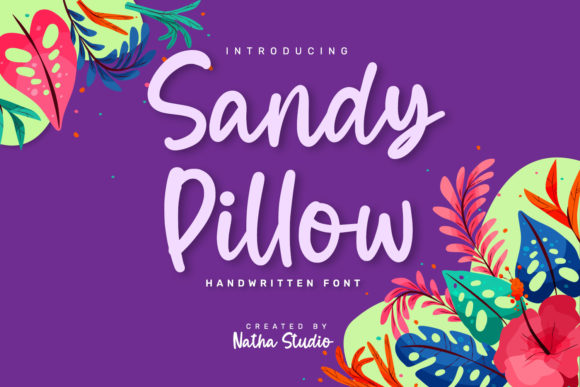
The afternoon light was filtering through the window of my craft studio, casting a warm glow over the scattered wax molds and empty glass jars on my workbench. I was in the middle of prepping a new batch of soy candles for an upcoming holiday sale, but I was stuck on one crucial detail: the labels. I had tried three different typefaces already, but none felt quite right. One was too stiff, another too ornate, and the third simply didn't match the cozy, rustic vibe I wanted to convey. That is when I decided to test out Sandy Pillow, a casual and adaptable handwritten font that had been sitting in my design folder waiting for the perfect project.
As soon as I typed "Lavender Dreams" into my design software, the difference was immediate. The letters flowed with a natural rhythm, each character carrying a unique and beautiful touch that felt less like a digital file and more like a genuine brushstroke. It wasn't just a font; it was a personality. This moment highlighted exactly why finding the right script amp or creative typeface is so vital for handmade sellers. The typography you choose often speaks before your product even does.
Bringing Sandy Pillow to Life on Physical Products
Using Sandy Pillow transformed the entire aesthetic of my candle line. The font's relaxed curves softened the sharp edges of the minimalist packaging, creating a balance between modern clean lines and organic warmth. Because every letter has a distinct feel, the label looked handcrafted rather than mass-produced. This perception of quality is essential for small business owners trying to stand out in crowded marketplaces like Etsy or local craft fairs.
I quickly realized that this versatility extended far beyond candle labels. I began experimenting with other items in my shop inventory. For a set of greeting cards, I used Sandy Pillow for the main sentiment on the front, pairing it with a simple sans serif font for the details inside. The contrast worked beautifully; the script added emotional appeal and warmth, while the secondary font ensured readability. When I printed a few test sheets, the ink flowed smoothly, and the handwritten style held up perfectly even at smaller sizes.
It wasn't just paper goods where the magic happened. I loaded my cutting machine with vinyl and started testing stickers. The adaptability of Sandy Pillow meant it cut cleanly without losing its charm. I created a sheet of planner stickers featuring motivational quotes, and the font made the words feel personal, as if they were written by a friend. Whether applied to a water bottle, a laptop, or a journal, the text popped with a friendly energy that customers love.
Designing with Mood and Brand Consistency
For any creator building a brand identity, consistency is key. Sandy Pillow offers a mood that is simultaneously professional and approachable. It works exceptionally well for boutique tags, wedding invitations, and even farmhouse-style signs. Imagine a welcome board for a wedding reception; using this font for the couple's names adds a romantic, intimate touch that formal serif fonts often lack. It bridges the gap between elegant and casual, making it a safe yet stylish choice for high-stakes projects.
When designing packaging for a small batch of soaps or lotions, the font helps tell a story. It suggests care, attention to detail, and a human element behind the product. In the world of packaging design, these subtle cues influence how a customer perceives value. A label that looks rushed or generic can lower the perceived worth of a handmade item, whereas a thoughtful choice like Sandy Pillow elevates the entire presentation.
This font also shines in digital spaces. I updated my social media graphics to include Sandy Pillow for quote overlays and promotional posts. The handwritten style stands out against busy feeds, grabbing attention without being overwhelming. It creates a cohesive look across physical products and digital storefronts, reinforcing brand recognition every time a follower scrolls past.
Practical Tips for Using Sandy Pillow in Your Shop
While Sandy Pillow is incredibly versatile, there are practical considerations for makers who want to get the most out of it. First, consider the context of your text. Because it is a display font with a strong personality, it is best suited for short phrases, names, titles, and decorative wording. While it can be used for longer paragraphs, it may become harder to read if the text block is dense. For body copy on a website or detailed instructions on a product tag, pair it with a clean sans serif or a simple serif font to maintain clarity.
Font pairing is where the real creativity comes in. I found that Sandy Pillow pairs wonderfully with geometric sans serifs for a modern look, or with traditional serif fonts for a classic, editorial feel. Avoid pairing it with other complex script fonts, as this can create visual clutter. The goal is to let the handwritten charm of Sandy Pillow take center stage while supporting elements provide structure.
Readability is another critical factor, especially for those using cutting machines like Cricut or Silhouette. When scaling down the font for tiny stickers or small product labels, always do a test run. Some intricate swashes or ligatures might lose definition at very small sizes. However, Sandy Pillow is designed with enough weight and spacing to remain legible in most standard applications. If you are creating SVG-style designs for merchandise like t-shirts or tote bags, ensure the kerning (spacing between letters) feels balanced, as the irregular nature of a handwritten font can sometimes require manual adjustment.
Licensing and Technical Details for Sellers
Before launching a new product line, it is crucial to review the commercial font licensing terms. As a maker selling physical products, printables, or digital downloads, you need assurance that you have the rights to use the typeface commercially. Sandy Pillow typically comes with licenses that cover a wide range of uses, from printable wall art to merchandise, but always double-check the specific agreement provided by the designer.
Additionally, familiarize yourself with the included styles and features. Does the font offer alternates, ligatures, or swashes? These extra characters can add significant flair to your logo design or special event stationery. Checking for multilingual support is also important if you plan to sell internationally or create content for diverse audiences. Most premium fonts in the Fonts category today offer robust language support, ensuring your designs are inclusive and accessible.
Ultimately, choosing the right typeface is about more than just aesthetics; it is about connecting with your audience. Sandy Pillow brings a sense of authenticity and warmth that resonates with people looking for genuine, handcrafted experiences. Whether you are labeling a jar of jam, designing a wedding invitation suite, or creating a digital planner template, this font provides the perfect blend of style and functionality. It turns ordinary text into something memorable, helping your brand stand out in a sea of competitors.
As I finished my last candle label, the room felt complete. The bottles lined up neatly, each one bearing a name written in a script that felt alive. It was a small detail, but one that made all the difference. For any crafter or seller looking to elevate their product presentation, investing in a high-quality, expressive font like Sandy Pillow is a decision that pays dividends in both beauty and business.